
Voice ~ On One Hand
It is what it is and it improves with practice.


True Story #1
I heard an author speak about his book. I bought his book. His book read exactly like his book talk. “Why did he summarize his book instead of talk about his book in more depth?” I wondered.
Boring redundancy.
True Story #2
February 2026 My husband and I were escorted to the Nisei Soldier Exhibit by a wonderful member of the Army Historical Foundation. I told him I started writing on Substack. He said he’d been thinking about starting his own Substack; writing his own words, speaking to his own audience, you know, finding his own voice. He told me he had even written for the retired General Erik Shinseki! Wow! Oh, I must say General Shinseki writes most all of his own words, but still. I’ve heard many military men speak and they always sound authentic. Kudos ghostwriters!!!
This trip made me think about copywriters and ghostwriters and editors. There are many hats in the departments of writers.
True Story #3
Then I thought about myself. Storytelling? Sign me up! I love to tell a tale. Blah, blah blah, blah. My beloved husband heard my stories too many times and encouraged me to write them down (instead of tell him). Win-win.

Developing Voice
Voice: How the story is told. Nuances of voice show distinct personality through vocabulary, syntax, etc.
It’s difficult to read our own writing and determine how our voice sounds to others when we are the writers. I suppose that is akin to not hearing our own accents. Voice is easier to see in other writers’ work.
Writers need readers to respond to their work. Telling a story to others helps to clarify the sequence of events, cause/effect, character traits, setting, etc.
Shout out to Heidi Zawelevsky and Neil Sagebiel for their help on a current rewrite I am working on. Their insight helped more than words can say.
“Blah, Blah, Blah,” with gusto!
Back when I taught in the Los Angeles School District I used the following as one of my go to lessons in writing. It’s an exercise that helps get the information out of your head, through your voice, to the paper to be edited later.
This exercise is especially good for those with writer’s block.
Prewrite: “Tell it across your hand.”
Think of a story. Tell it across the fingers of your hand. Start on your thumb. Stop on your pinky.
The seniors meet at the concrete sign on the corner of the field at the park.
Attendance is taken by Linda.
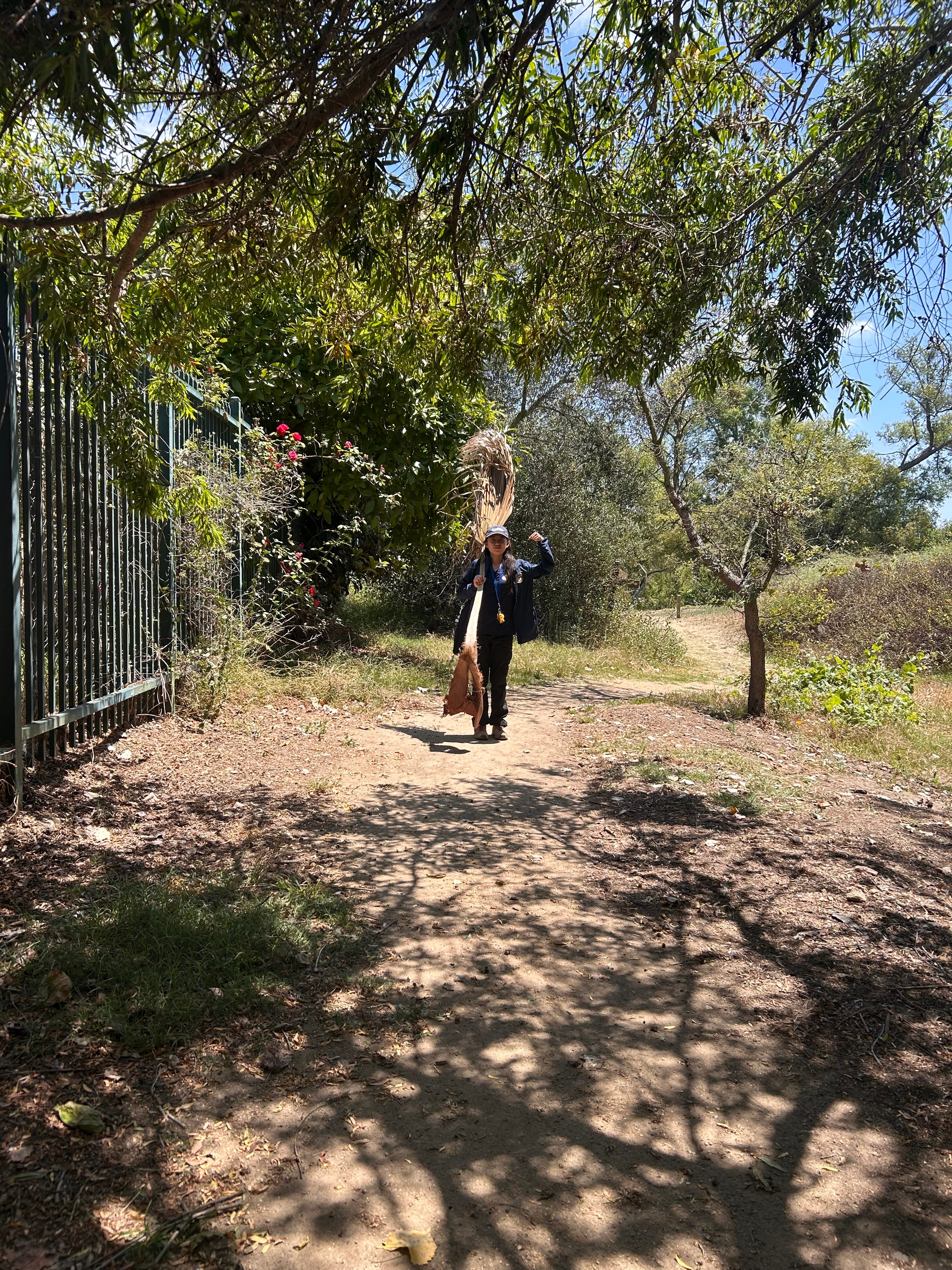
Warm ups are led by Anne at the entrance of the willows preserve.
They walk the infinity sign of both loops of trails, forest bathing, individually, in pairs, and in groups.
At the end they scatter back into the Freeway City, refreshed.
Repeat until the story is solid in your head.
Next, illustrate these five points on paper; one point on each sheet of paper. Remember, we are all artists.
Then, write down those points. Text must match illustration. No palm trees, rainbows, or houses unless that is part of the story. *Note for 2nd graders.
Last, review, rewrite and edit your draft.
How would you retell that story in a more interesting way? What if you rewrite it in a different point of view?
Remove extraneous words, sentences, paragraphs. Can you take out more? Rearrange? What images can you use to help tell your story?
After the story is published, move on. Keep writing by having extra drafts available.
Redundancy avoidance creates artistry.
Zero Draft: Start writing and collecting images. Sample
Start Writing.
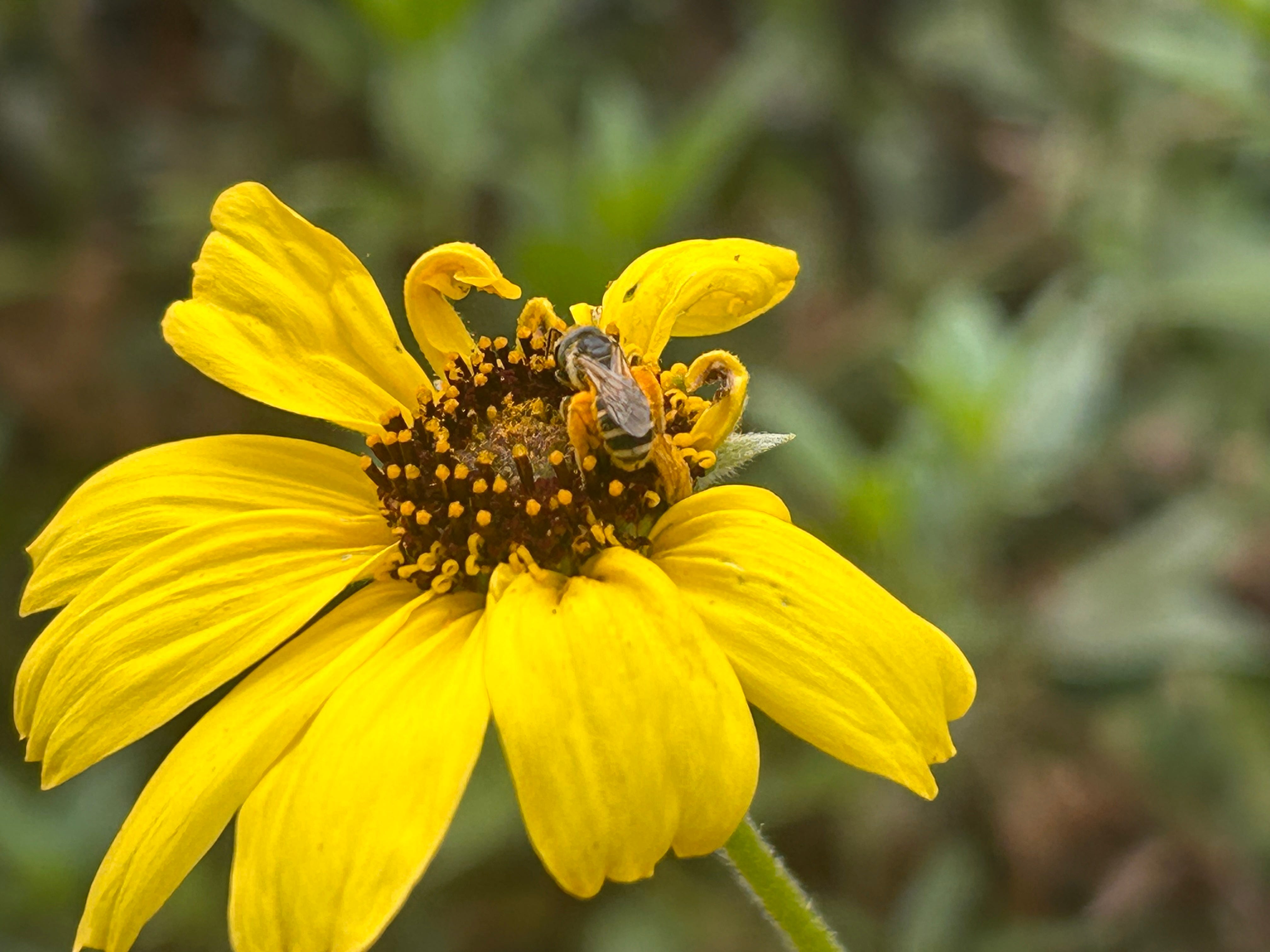
Pop! Crackle. Click! OOooo. The seniors and their joints made noises while standing in the shade of the Sycamore and the Black Walnut trees. The morning breeze blew waves in the California Sunflower mound covered with bees gathering pollen.
“Breath,” Anne said, “Remember to breathe.”
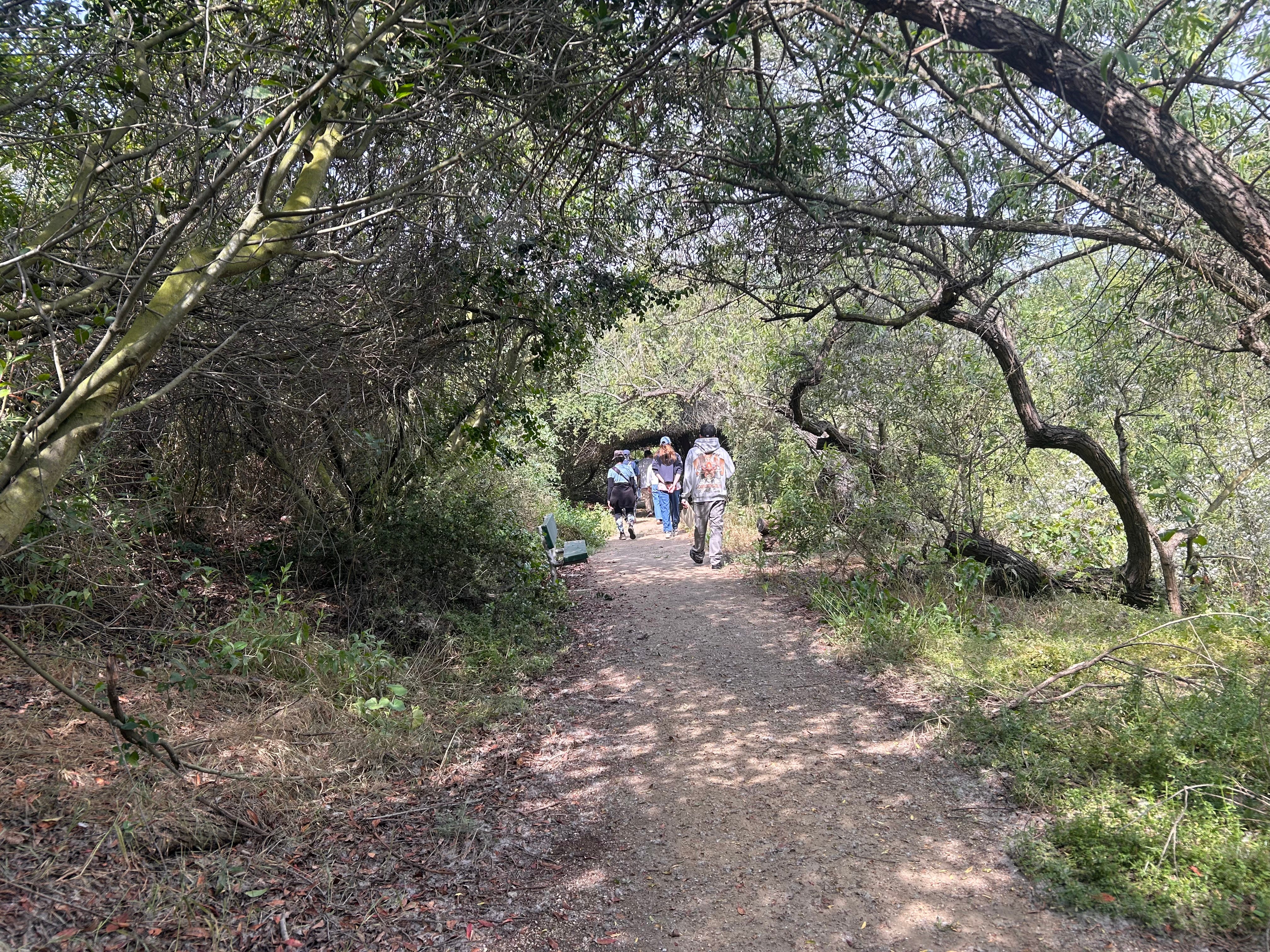
You get the idea. I just tossed the images up and started writing the story from pre-write #3.
Continue rewriting and editing until it’s the way you want to tell it.
In your writing:
Edit for juicy words
If it makes you laugh others will too
Add whimsy
Add color
Fill the canvas
Dear readers and writers,
Remember, everyone has an important, unique story. Your family’s descendants want to know these stories. Well, maybe today’s family do not want to hear these stories, but I promise you, somewhere in time someone will and it’s important you leave your authentic stories. Practice telling these stories, then write them down. Do it more than once. Do it multiple times, until you know the stories like the back of your hand. Polish those stories and share them. I, for one, want to read your story!
Thank you, again, for reading my newsletters as I develop my own voice. Please leave a like, comment, or DM, it really makes a difference.
Love,
Tip: Tell the story a different way while at an author book talk, but if nervous, it’s okay. Just tell your story the best you can. Then practice. Pick up your brush and paint.
“A writer’s voice is not character alone, it is not style alone; it is far more. A writer’s voice lines the stroke of an artist’s brush- is the thumbprint of her whole person- her idea, wit, humor, passions, rhythms.”
To write is to remember, to honor, to dissect, to heal, to celebrate, to reveal, to search--to write is so many things to different people. I love that you planted seeds in young minds that who knows when or if they will take root but if it does there's no telling what will come of it. There was a small group of very young people at the writers conference I attended in June, their work was deep and funny and nuanced. They shared amazing work and did i mention they were babies! Where did it come from? Maybe a good teacher like you planted some seeds.
As an author for 40 years and someone who's taught creative writing classes, workshops, and master classes, I think it's also important to find your subject matter, your themes, the things you want to write about passionately. Over time, for many writers, voice grows out of those discoveries.
You asked “Why did he summarize his book instead of talk about his book in more depth?” Because he was unprepared and possibly even arrogant. That's why I rarely go to author readings because too many writers have no idea how to structure their event. It's hard work. I've taught sessions about it and have a handful of advice columns at Lit Mag News on the subject.